Stain panic what to do before Ilford cleaners arrive
Posted on 07/07/2026
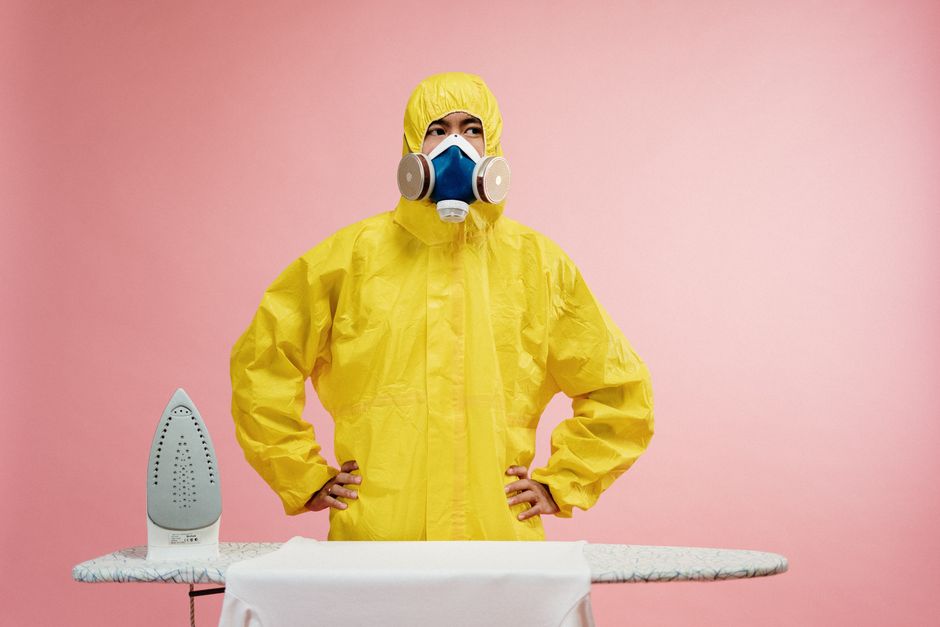
If you have just spotted a fresh spill, take a breath. Really. Stain panic what to do before Ilford cleaners arrive is mostly about not making the problem worse in the next ten minutes. Whether it is red wine on a rug, muddy footprints across the hall, coffee on the sofa, or something a bit more mysterious, the first moves matter. A lot.
This guide walks you through what to do, what not to do, and how to get your room ready so the cleaners can work quickly and safely when they arrive in Ilford. It is practical, local, and written for the moments when you are staring at the stain thinking, brilliant, just brilliant.
Why Stain panic what to do before Ilford cleaners arrive Matters
Fresh stains are sneaky. They spread, soak in, and sometimes change character while you are still looking for a cloth. On carpet, upholstery, or a rug, a spill can travel deeper into fibres and backing material within minutes. On hard flooring, it can set into grout lines, seams, or edge trims. The wrong quick fix can also make professional cleaning harder later.
That is why the first stage is not dramatic. It is disciplined. You want to contain the stain, protect surrounding surfaces, and leave the area in a state where a cleaner can assess it properly. In practice, that often means less rubbing, less water, and more thinking than people expect.
There is another reason this matters locally. In Ilford homes and flats, cleaners often need to work around shared hallways, compact rooms, pet areas, or tenant handovers. A tidy, well-prepared space saves time and reduces the chance of accidental spread. If you also need broader support for the property, it can help to review the wider service options available and decide whether this is a one-off emergency or part of a deeper clean.
Practical truth: the best stain treatment before a cleaner arrives is often the least exciting one. Blot, protect, and stop. Not scrub, panic, and guess.
How Stain panic what to do before Ilford cleaners arrive Works
The process is simple in theory and a little fiddly in real life. You assess the spill, identify the material, remove excess residue without pushing it deeper, and then keep the area stable until the cleaning team gets there. The cleaner then uses a more suitable method based on fibre type, stain type, moisture level, and age of the mark.
That last part is important. There is no single magic solution. Tea on wool behaves differently from tomato sauce on synthetic carpet. Ink on a sofa cushion is not the same as a damp patch from a pet accident. A professional will usually want to know what caused the stain, how long it has been there, and what you have already applied. Honest detail helps. Guessing, a bit less so.
If the stain is on carpet, the approach tends to be blotting from the outside in, avoiding over-wetting, and keeping the pile upright. If it is upholstery, you need even more care because foam padding can hold moisture for longer. For rugs, especially delicate ones, the risk is fibre distortion and dye movement. If you are dealing with a soft furnishing, the relevant page on upholstery cleaning in Ilford may also help you think through the right next step.
Key Benefits and Practical Advantages
Doing the right thing before cleaners arrive is not just about looking organised. It genuinely improves the outcome. Here is what you gain:
- Less permanent staining: fast containment can stop pigments, oils, or tannins from settling deeper.
- Better cleaning results: a cleaner can work on the actual stain, rather than a stain plus a layer of homemade mistakes.
- Lower risk of fibre damage: aggressive rubbing can flatten carpet pile, spread colour, or roughen fabric.
- Faster appointment time: less time is spent sorting out avoidable mess.
- Clearer diagnosis: cleaners can usually identify the stain more accurately when it has not been over-treated.
- Better value: an efficient visit usually means less guesswork and fewer complications.
For tenants, this can also help when move-out pressure is high. For landlords and agents, it protects presentation. For households, it simply means a lower chance of that sinking feeling when a stain outstays its welcome. To be fair, that feeling is never fun.
If you are trying to keep on top of a bigger clean-up, a local deep cleaning service in Ilford can sometimes make more sense than one-off stain treatment alone, especially after events, pets, or a long winter indoors.
Who This Is For and When It Makes Sense
This guide is for anyone who has a fresh or recently discovered stain and wants to avoid making it worse before the professionals arrive. That includes:
- homeowners dealing with food, drink, mud, or pet marks
- tenants preparing for inspection or end of tenancy cleaning
- landlords handling a last-minute issue before viewings
- office managers dealing with coffee spills or chair marks
- shop owners and staff needing a sensible stop-gap before a booked clean
- anyone waiting for a same-day or next-day cleaning slot
It makes sense whenever the stain is still fresh enough to respond to careful blotting and containment. If the stain is old, crusted, or previously treated with bleach, vinegar, scented sprays, or mystery powders from the back of a cupboard, the focus changes. At that point, your main job is simply to avoid further damage and tell the cleaner exactly what happened.
Busy households especially benefit from a calm, clear plan. If your flat in Ilford is small and the spill is in a high-traffic room, every wrong move gets magnified. In that case, it helps to think like an organiser for two minutes, not a firefighter for twenty.
Step-by-Step Guidance
Here is the practical bit. Follow these steps in order. Not every stain needs all of them, but the sequence is a good default.
- Stop the spread. If there is still liquid moving, place a clean absorbent cloth or paper towel over it gently. Do not press hard at first. Let it take up the excess.
- Identify the surface. Is it carpet, rug, sofa fabric, cushion, curtain, or mattress? Fibre type matters. Wool, synthetic, cotton, and blended materials all behave differently.
- Check what caused it. Write down whether it is food, drink, oil, ink, makeup, mud, pet-related, or something else. Even a rough note helps the cleaner.
- Blot, do not rub. Use a clean white cloth and dab from the outside edge toward the centre. This reduces spreading. Rubbing can drive the stain deeper and distort fibres.
- Avoid heavy soaking. A little moisture can help, but too much can cause ring marks, backing damage, or odours. This is one of the common traps.
- Remove loose solids. If the spill includes crumbs, mud clumps, or other solids, lift them carefully with a spoon or dull edge. Do not grind them in.
- Keep the area clear. Move small furniture, toys, chargers, or bags away from the stain so cleaners have access when they arrive.
- Ventilate lightly. Open a window if the room is stuffy, but do not blast the stain with a heater or fan. Gentle airflow is enough.
- Do not add random chemicals. If you are unsure, leave it. The cleaner would rather see a stain in its original state than a chemistry experiment gone sideways.
- Tell the cleaner the full story. Mention what was spilled, when it happened, what you used on it, and whether the fabric has already changed colour or texture.
If you know the issue involves carpet specifically, it is worth reading more about carpet cleaning in Ilford so you understand why different fibres and pile types need different treatments.
A very quick decision rule
If the stain is fresh and wet, blot gently. If it is damp and sticky, lift residue first. If it is dry, crusted, or smells odd, do not attack it aggressively. Wait for the professionals and give them a clear briefing. Simple, but effective.
Expert Tips for Better Results
After years of seeing people try to rescue a stain with enthusiasm and not enough caution, a few tips stand out.
- Use white cloths only. Coloured towels can transfer dye, especially when damp.
- Work from the edges inward. That keeps the stain from blooming outward.
- Test any product first. If you must use something mild, test in a hidden spot. And yes, hidden really means hidden.
- Keep receipts or labels for products used. A cleaner may want to know what was applied.
- Photograph the stain before touching it. Handy for your own record and useful if you are booking a landlord or insurance discussion later.
- Separate wet items. If a cushion cover or small rug can be removed safely, keep it flat and isolated until advised otherwise.
In our experience, a lot of stress comes from not knowing whether to act or wait. If the stain is spreading, act lightly. If it is stable and you are unsure, stop. There is no prize for improvising the hardest part.
For recurring messes after events, pets, or family gatherings, the one-off cleaning option can be a sensible fit when you need a single focused visit rather than a regular schedule.

Common Mistakes to Avoid
Most stain disasters before cleaners arrive come from the same handful of mistakes. They are easy to make when you are rushing, but they are avoidable.
- Scrubbing hard. This pushes the stain into the fibres and can rough up the surface.
- Using hot water too soon. Heat can set some stains, especially protein-based or dye-based marks.
- Pouring detergent directly onto the stain. Too much soap leaves residue and may attract more dirt later.
- Mixing products. This is a bad idea for obvious reasons, and yes, still happens more than people admit.
- Using bleach on coloured materials. That often creates a worse problem than the original stain.
- Waiting for hours before blotting. Fresh stains are always easier to manage.
- Hiding what you used. Cleaners can usually tell, and it slows down diagnosis.
One small but important point: sometimes the "stain" is actually a dye transfer, water mark, or backing issue. If you mistake one for the other and treat it like a drink spill, you can make the repair harder. That is why careful observation matters.
Tools, Resources and Recommendations
You do not need a complicated kit. Keep things basic, clean, and sensible.
| Item | Why it helps | What to avoid |
|---|---|---|
| White cotton cloths | Good for blotting without dye transfer | Coloured towels, rough fabrics |
| Paper towels | Useful for fresh liquid spills | Pressing too hard or overpacking the spot |
| Spoon or dull scraper | Helps lift solids like mud or food | Sharp blades or metal tools |
| Notebook or phone notes | Records what happened and what was used | Guessing later, which never helps |
| Camera phone | Provides a clear before image for you or the cleaner | Taking the photo after several experimental treatments |
If you are preparing a property in the middle of a wider refresh, it may be worth looking at spring cleaning in Ilford or house cleaning support so the stain response fits into the rest of the room's condition.
For service comparisons and expectations, the clearest path is to review pricing and quotes and then decide whether the issue is a simple spot treatment or part of a broader clean.
Law, Compliance, Standards, or Best Practice
For most household stain situations, the key compliance issue is not a legal one in the dramatic sense. It is about safe practice, sensible product use, and accurate communication. In UK homes and rented properties, it is good practice to avoid damaging fabrics or flooring with harsh chemicals, especially where tenancy agreements, deposit expectations, or landlord inspections may be involved.
If you are in a rented property, keep in mind that attempts to fix a stain with the wrong product can create evidence of avoidable damage. That is a practical concern more than a lecture. The safest route is to document the spill, avoid over-treatment, and let the cleaner assess it. If needed, tenants can also review end of tenancy cleaning in Ilford for broader support when a stain sits within a move-out checklist.
Best practice in cleaning work also tends to favour clear communication about allergies, vulnerable surfaces, and access constraints. If a room has fragile upholstery, electrical equipment nearby, or limited ventilation, say so before the cleaner starts. If you need reassurance about standards and site safety, pages such as health and safety information, insurance and safety details, and privacy policy can help build confidence before booking.
One more practical note. If a stain is near an entrance, shared hallway, or work area, keep walkways clear. A cleaner should be able to move safely, without stepping over bags, shoes, or drying laundry. Sounds obvious, but you know how it is.
Options, Methods, or Comparison Table
Not every stain response is the same. Here is a plain comparison of common approaches before the cleaner arrives.
| Method | Best for | Risk level | When to use |
|---|---|---|---|
| Dry blotting | Fresh liquid spills | Low | Use first, before adding any moisture |
| Light damp blotting | Sticky residues or slightly set stains | Medium | Only if you know the material can tolerate it |
| Spot pre-treatment | Known stains with a safe, mild product | Medium to high | Only after a hidden test and clear instructions |
| Leave untouched | Delicate fabrics, unknown stains, old marks | Lowest | When in doubt, especially on upholstery or rugs |
For many people, the best option is actually a mix of dry blotting and then leaving it alone. That can feel too passive, but it often protects the material best until a proper clean takes place.
Case Study or Real-World Example
Picture a Friday evening in a compact Ilford flat. Someone knocks over a mug of milky coffee onto a living room carpet just before guests arrive. The first instinct is to panic and scrub in circles. Instead, the resident blots the spill with white kitchen roll, lifts the wet cup, notes the time, and avoids detergent. They move a side table away, open the window slightly, and take one clear photo.
By the time the cleaner arrives the next morning, the stain has not spread into a large ring. It is still visible, of course, but it has not turned into a patchwork of over-wet edges and soap residue. The cleaner can identify the mark, treat it properly, and explain whether any faint shadow is likely to lift fully or need a second visit.
Now compare that with the opposite scenario: someone uses bleach, then washing-up liquid, then steam from a kettle because they are "just trying everything." The area becomes discoloured, the pile clumps, and nobody can tell what caused what. That one usually goes from nuisance to headache very quickly.
For local context, if you live near busy stretches such as IG1 or a shared estate, stains often happen in higher-traffic conditions. A helpful next read is the IG1 carpet cleaning page, which sits well alongside this kind of emergency prep.
Practical Checklist
Use this quick checklist before the cleaners arrive. It keeps the room calm and avoids last-minute scrambling.
- Identify the stain source if you can.
- Blot gently with a clean white cloth or paper towel.
- Do not rub or scrub.
- Do not pour on extra cleaner unless you are sure it is safe.
- Lift loose solids carefully.
- Keep a note of what happened and when.
- Take a photo before any further treatment.
- Move small items away from the stain.
- Keep pets and children out of the area.
- Tell the cleaner exactly what you have already done.
- Leave the stain as untouched as possible from this point onward.
If your situation is bigger than one spot, or the stain is part of a post-party or post-renovation mess, the wider domestic cleaning support may be useful too.
Get a free quote today and see how much you can save.
Conclusion
Stain panic is normal. It happens in the middle of a busy day, right when you least need it. But the first few minutes do not have to be chaotic. If you slow down, blot lightly, avoid over-treating, and prepare the space properly, you give the cleaners a much better chance of getting a strong result.
That is the heart of it, really. Do less, but do it well. Keep the story simple, keep the area calm, and let the cleaning team handle the technical part when they arrive. Whether it is carpet, upholstery, a rug, or a room that needs a broader refresh, the smartest move is usually the calmest one.
And if you have ever stood over a spill with a roll of kitchen paper in one hand and mild regret in the other, well, you are in good company.