Common problems with flat access during Ilford carpet cleaning
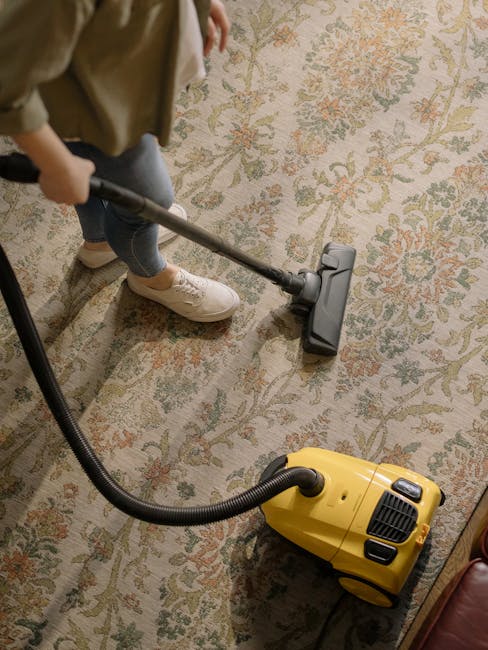
If you live in a flat, you already know the small things can become big things fast. A stairwell that looks fine on the way out suddenly feels narrow with a hose in hand. A lift is "working" until a carpet cleaner arrives. And that front door key? Somehow it is always with the one person who left ten minutes ago. Common problems with flat access during Ilford carpet cleaning are rarely dramatic on their own, but they can delay the job, increase the effort involved, and affect the final result. This guide breaks down the issues that cause trouble, why they matter, and what you can do to make the visit smoother from the start.
Whether you are arranging a one-off freshen-up, a full deep clean, or end-of-tenancy carpet care, a little planning around access can save a lot of back-and-forth. Truth be told, most "carpet cleaning problems" in flats are really access problems in disguise.
Why Common problems with flat access during Ilford carpet cleaning Matters
Flat access affects almost every part of the appointment: arrival, equipment carrying, drying time, water supply, hose routing, parking, and how easily the cleaner can move from room to room. In Ilford, that matters even more because flats come in all shapes and sizes - converted houses, purpose-built blocks, newer apartment buildings, and estates with strict entry rules. One building may have a generous lift and straightforward access; another may have two sets of security doors, no loading space, and a narrow staircase that barely turns a vacuum, let alone extraction equipment.
For the customer, poor access can mean longer appointments, extra disruption, or in some cases a cleaner needing to reschedule. For the cleaner, it can mean carrying equipment up several flights, working around communal rules, and taking more care to protect shared hallways. That's not a complaint. It's just reality.
Here's the important bit: most access issues are manageable when they are known in advance. The frustration starts when they are discovered at the front door, after the job has already begun.
If you are planning a broader clean across the property, it can help to look at related services too, such as deep cleaning in Ilford or a wider services overview so you can match the right visit to the right level of access and disruption.
Expert summary: In flat-based jobs, access is not just a logistics detail. It directly shapes timing, equipment handling, resident disruption, and the quality of the clean.
How Common problems with flat access during Ilford carpet cleaning Works
Carpet cleaning in flats usually follows the same basic process as a house, but access adds a layer of complexity. A cleaner has to get the equipment in and out, set up safely, reach the carpeted areas without damaging walls or communal flooring, and make sure the right utilities are available. If any one of those steps becomes awkward, the whole visit slows down.
Common access points that create issues
- Entry doors and intercoms: If a cleaner cannot get buzzed in promptly, the appointment starts late before the machine is even switched on.
- Stairwells: Long flights, awkward turns, and cramped landings make carrying equipment more difficult.
- Lifts: A lift that is small, slow, or out of service can make a routine visit much more physical.
- Communal corridors: These can be busy, noisy, or too tight for hoses and vacuums if the building layout is awkward.
- Parking and loading: If there is nowhere sensible to stop, unloading takes longer and can create tension with neighbours or residents.
Then there are the smaller things people forget. Is the flat number clearly visible? Is someone at home to let the cleaner in? Are pets secured? Is there enough room to move furniture safely? Every one of those details can save ten minutes, and ten minutes can snowball quickly in a building with shared access.
In our experience, the cleaner's first question is often the simplest: "How do I get in, and where can I park?" Not glamorous, but it matters more than people think.
If your job is part of a larger move-out or reset, you may also want to consider end of tenancy cleaning in Ilford or a planned one-off clean so the access arrangements match the scale of the visit.
Key Benefits and Practical Advantages
Sorting out access properly does more than save time. It improves the whole experience, and yes, that includes the result on the carpet.
- Cleaner setup: Less carrying and less squeezing through tight spaces means less chance of accidental marks on walls, skirting, or communal flooring.
- Faster completion: The cleaner can focus on the carpet rather than navigating doors, lifts, and staircases.
- Better drying conditions: A well-planned visit means equipment is placed where it is most efficient, which can help the room dry more evenly.
- Less disruption for neighbours: Shorter movements through hallways and corridors keep noise and inconvenience down.
- More accurate quoting: When access is clear upfront, the cleaner can give a more realistic price and time estimate.
There is also a trust factor here. A customer who gives clear access information is usually easier to help, and a cleaner who asks the right questions usually works more smoothly. Simple as that.
For landlords, agents, and tenants, this is especially useful. If you are comparing options, see the pricing guidance on pricing and quotes and the wider carpet cleaning in Ilford service page to understand how the visit may be scoped.
Who This Is For and When It Makes Sense
This topic is useful for almost anyone in a flat, but some people need it more than others.
- Tenants preparing to move out: You often have a tight deadline, so access delays can throw the whole plan off.
- Landlords and letting agents: You need the job done efficiently between occupiers, sometimes with limited notice.
- Homeowners in apartment blocks: You want minimum fuss and maximum protection for shared spaces.
- Residents in converted houses: Narrow hallways and steep stairs can make equipment movement awkward.
- People booking same-day or urgent cleaning: The less notice there is, the more important clear access becomes.
It also makes sense for anyone living in a building with rules about entry, parking, loading bays, or concierge sign-in. If your building has a management company, a "just turn up and ring the bell" plan may not be enough. To be fair, that approach can work in some places. In others, it causes a small chain reaction of delays and apologies.
For wider home care planning, you might also find it useful to look at domestic cleaning in Ilford or even house cleaning in Ilford if you are comparing flat and house-style service needs.
Step-by-Step Guidance
If you want a flat carpet clean to go smoothly, the best approach is to treat access as part of the booking, not something to sort on the day.
- Confirm the exact flat and building details. Share the full address, flat number, floor level, and whether there is a lift. If the building has two entrances, mention the correct one.
- Explain how entry works. Is there a buzzer? A concierge? A key safe? A call on arrival? Say it clearly so nobody stands outside waiting.
- Check parking and unloading. If there is no direct parking, tell the cleaner where the nearest practical stop is. Even "there's usually space on the side road, but it fills after 8:30" is useful.
- Identify access restrictions. Some buildings have quiet hours, no-wheeled-carts rules, or no parking on site. Mention it early.
- Prepare the route inside the property. Move small items from hallways, leave doors open where appropriate, and clear the path to the rooms being cleaned.
- Keep pets and children safely out of the way. A distracted cleaner and a curious dog do not make a graceful combination.
- Confirm utilities. The cleaner may need water, power, and enough space near the work area to set up safely.
- Ask about the expected finish time. That helps you plan around drying, access handover, and building noise rules.
If you are booking for a flat in IG1 or nearby, it can help to read a local guide like carpet cleaning in IG1 and the area-focused article carpet cleaning advice for Cranbrook Road homes. Local building layouts can vary more than people expect.
Expert Tips for Better Results
These are the little things that usually make a flat clean easier. Not flashy. Just effective.
1) Send access notes before the appointment
A short message with the floor, entry method, and parking options can prevent the usual "I'm outside, where are you?" moment. You know the one. It happens more often than anyone wants to admit.
2) Warn about tight staircases or fragile finishes
If the building has painted walls that scuff easily, polished bannisters, or awkward turns on the stairs, say so. A careful cleaner will adjust how they carry hoses and machinery.
3) Make room before the cleaner arrives
You do not need to clear the whole flat, but a little preparation helps. Shoes, toys, laundry baskets, and the random chair that always appears in the hallway should be moved out of the way.
4) Allow for communal courtesy
In shared buildings, a cleaner may need to work quietly, avoid blocking lifts, or keep equipment parked in a sensible corner. That is not a problem, but it does affect pace.
5) Ask about dry times
Access issues can influence where air circulates and where equipment is placed. If your building is warm, dry, and airy, carpets may dry faster. If it is stuffy and corridor-heavy, drying can take longer.
If you are comparing extra services, the right fit may be a broader tidy-up like spring cleaning in Ilford or a combined interior refresh with upholstery cleaning in Ilford. Just make sure the access plan still works for all areas, not only the carpeted rooms.
Common Mistakes to Avoid
Most access-related problems are avoidable. The same mistakes keep popping up, and they're usually very ordinary.
- Giving vague directions: "It's the block near the shops" is not enough if there are several entrances and no obvious signposting.
- Forgetting to mention floors and stairs: A first-floor flat is very different from a fourth-floor walk-up with no lift.
- Assuming parking will be easy: In busy parts of Ilford, that assumption can lead to awkward delays.
- Leaving entry arrangements until the day: That often turns a straightforward clean into a waiting game.
- Not telling anyone about building rules: Some sites need a call before arrival or a sign-in at reception. Miss that, and the cleaner may not even reach your door.
- Ignoring the weather: Rain, wind, and a busy street outside can make transporting equipment slower and messier than planned.
There is also a quieter mistake: not asking questions. If you are unsure whether the lift is big enough or whether parking is actually practical, just ask. A decent provider would rather know now than discover it after carrying equipment up six flights. Nobody enjoys that surprise.
For price-related anxiety, especially where access adds time or complexity, the article on avoiding hidden carpet cleaning charges in Ilford is a helpful companion read.
Tools, Resources and Recommendations
You do not need a toolbox full of specialist kit to solve access issues. Usually, a handful of simple things does the trick.
- Building entry instructions: A short note with buzzer details, floor level, and lift access is often enough.
- Mobile phone contact: Helpful if the cleaner needs to confirm the exact door or find the correct entrance.
- Clear path at home: Remove clutter from hallways and around skirting edges.
- Lift reservation or management approval: In some buildings, booking the lift or warning the concierge can prevent delays.
- Parking plan: Even an informal "best nearby spot" helps a lot.
For property owners and long-term residents, it may be worth reading around the local housing context too. Ilford has a mix of homes and apartment stock, so access patterns vary. You can explore related reading such as living in Ilford advice, an overview of Ilford as a borough, or even finding property in Ilford if you are in the middle of a move and trying to understand building types.
If you want a cleaner broader service relationship, it also helps to review practical policies such as insurance and safety, health and safety policy, and accessibility information. That gives you a better sense of how site access, safe working, and customer expectations fit together.
Law, Compliance, Standards, or Best Practice
This topic is not usually about complex law, but there are still sensible standards to follow. In UK shared buildings, access arrangements should respect building rules, resident safety, and the practical needs of the work. A cleaner should not block fire exits, wedge open security doors without permission, or create trip hazards in communal areas. Likewise, residents should not be asked to improvise access in a way that risks damage or inconvenience to neighbours.
Best practice is straightforward:
- Use clear, truthful access details when booking.
- Follow building rules and concierge instructions.
- Keep communal spaces tidy and unobstructed.
- Make sure the person doing the work knows about any restrictions in advance.
- Respect privacy and security when key access is involved.
If you are arranging work through a professional provider, it is also reasonable to check terms, payment conditions, and complaint handling before the visit. That is just sensible customer care, really. If you ever need them, useful pages include terms and conditions, payment and security, and the complaints procedure.
Options, Methods, or Comparison Table
Different access setups call for different approaches. The right choice depends on the building, the floor level, and how much gear needs to be carried. Here is a simple comparison to make that easier.
| Access setup | Common challenge | Best approach | What to tell the cleaner |
|---|---|---|---|
| Ground-floor flat with direct street access | Parking and carrying equipment through a shared entrance | Keep a nearby unloading spot and clear a route inside | Where to park and which entrance to use |
| Upper-floor flat with a lift | Lift size, waiting time, and shared use | Allow extra time and check whether the lift is operational | Lift location, any booking rules, and floor number |
| Walk-up flat with no lift | Carrying equipment up stairs | Use lighter setup where possible and protect stair edges | Number of flights, stair width, and turns on the landing |
| Block with concierge or controlled entry | Entry delays and sign-in procedures | Confirm access details in advance and share names if needed | Reception procedure, call-in requirement, and opening hours |
| Estate with limited parking | Loading may take longer than the clean itself | Plan arrival carefully and avoid peak congestion times where possible | Nearest legal stop, loading bay rules, and any permit need |
There is no single "best" flat access method. There is only the method that suits the building and avoids hassle. That's the honest answer.
Case Study or Real-World Example
Imagine a two-bedroom flat in an Ilford apartment block. The resident books a carpet clean for a Friday morning, expecting a straightforward visit. On arrival, the cleaner finds the concierge desk closed for a short shift change, the lift is already being used by removals, and the only parking is a little way down the road. Nothing is catastrophically wrong, but the appointment starts slowly, equipment has to be carried part of the way, and the resident is still trying to get the right access code from a message thread that has gone a bit quiet.
Now compare that with the same flat, but this time the resident sends the flat number, entry instructions, lift status, parking note, and any building rules the day before. The cleaner knows where to park, which door to use, and how to get in without waiting. The job still takes proper care, of course, but the whole visit feels calm and organised. No drama. No unnecessary shuffling in the hallway. The carpet gets cleaned, the flat dries on schedule, and everyone gets on with the rest of the day.
That is really the heart of it. Flat access problems are usually not huge problems. They are just small ones that weren't dealt with early enough.
If you want to understand how local homes and building layouts shape cleaning jobs across the area, the broader guidance at rug cleaning tips for Ilford High Road shops and estates and upholstery cleaning for Ilford flats can also be useful background reading.
Practical Checklist
Use this before the appointment. A quick check now beats a lot of faffing later.
- Confirm the full address and flat number.
- Share the floor level and whether there is a lift.
- Explain how entry works, including buzzer, concierge, code, or key handover.
- Give parking or loading advice if relevant.
- Let the cleaner know about narrow stairs, tight corners, or fragile communal finishes.
- Move clutter away from halls and doors.
- Keep pets secure and children clear of the work area.
- Check whether building rules affect timing or equipment movement.
- Make sure power and water access are available if needed.
- Agree on an arrival window and contact number.
- Tell the cleaner if there are any access delays expected on the day.
- Ask what happens if the lift fails or entry is delayed.
Quick takeaway: The more ordinary the access details feel to you, the more useful they are to the cleaner. Say the boring stuff. It saves the day.
Conclusion
Common problems with flat access during Ilford carpet cleaning are usually practical, not dramatic. A locked door, awkward stairs, small lift, or poor parking can all slow things down, but they are easy to manage when you plan ahead. The real win is simplicity: clear directions, honest access notes, and a tidy route into the property.
That is especially true in flats, where a few minutes of preparation can prevent a lot of noise, waiting, and mild frustration. If you are booking for a home, a rental, or a move-out clean, think of access as part of the service rather than a side note. It makes the appointment smoother for everyone, and it often improves the final experience too.
And if all else fails, a clear message and a sensible backup plan go a long way. Nothing fancy. Just good preparation.
Get a free quote today and see how much you can save.
Frequently Asked Questions
What are the most common flat access problems during carpet cleaning in Ilford?
The biggest issues are usually restricted entry, no lift, difficult stair access, unclear parking, and building rules that were not mentioned before the visit. None of these are unusual, but they can slow the job if they are a surprise.
Do I need to tell the cleaner my flat number and floor level?
Yes, absolutely. The flat number, floor level, and building entry details are basic information that helps the cleaner plan arrival and equipment handling properly.
Will a carpet cleaner still come if my flat has no lift?
In many cases, yes. But it is important to mention it upfront so the cleaner can plan for stairs, extra carrying, and any possible time adjustment.
How do I prepare my flat for carpet cleaning access?
Clear hallways, secure pets, keep doors accessible, and make sure the cleaner knows how to get in. If the building has a concierge or buzzer system, share those details too.
Can parking problems affect the price of carpet cleaning?
They sometimes can, especially if access adds significant time or makes unloading much harder. It is best to check this during booking rather than assume it will not matter.
What if my building has strict entry rules or a concierge?
Tell the cleaner in advance. Some buildings need sign-in, specific arrival windows, or permission before equipment can be brought in. A few minutes of planning avoids delays.
Is it better to book carpet cleaning for a flat during quiet times of day?
Often, yes. Quieter times can make parking, lift use, and entry easier. It is not always essential, but it can make the whole appointment less stressful.
Can access problems affect drying time after the clean?
They can. If the cleaner has to work around restricted spaces or poor ventilation, drying may take longer. Good setup and airflow usually help.
Should I mention fragile walls, narrow stairs, or awkward corners?
Definitely. Those details help the cleaner protect the building and choose the safest way to move equipment. It is better to over-explain a little than to leave out something important.
What if I am not home when the cleaner arrives?
You should agree this in advance. If access depends on keys, codes, or someone else letting the cleaner in, make sure the plan is clear and confirmed before the day.
Are flat access problems more common in older Ilford buildings?
They can be, mainly because older conversions and walk-up blocks may have narrower stairs or less convenient entry points. But newer apartment blocks can cause access issues too, especially where lifts and parking are tightly controlled.
What should I ask before booking if my flat is difficult to access?
Ask whether the cleaner needs parking, whether there is any extra charge for stairs or long carries, how they handle building access, and what information they need before arrival. A short conversation now can prevent a lot of hassle later.