Redbridge Council rules for cleaning waste from Ilford homes
Posted on 31/07/2026
Redbridge Council rules for cleaning waste from Ilford homes: a practical guide for residents
If you live in Ilford and you're trying to work out what Redbridge Council expects when you clean up waste at home, you're not alone. After a big clear-out, a spring refresh, a tenancy change, or even a messy weekend, the rules can feel a bit opaque. What goes in the bin? What needs a special collection? Can you just leave bags out? And what happens if the waste is bulky, contaminated, or too much for one collection?
This guide breaks down the Redbridge Council rules for cleaning waste from Ilford homes in plain English. You'll get a practical view of what residents normally need to do, how to stay on the right side of household waste guidance, and how to avoid the classic mistakes that lead to spills, complaints, or missed collections. It's written for everyday Ilford households, not policy wonks. Let's keep it simple, useful, and very real.
- Why the rules matter
- How the process works
- Benefits of doing it properly
- Who needs this guidance
- Step-by-step guidance
- Expert tips
- Common mistakes
- Tools and resources
- Compliance and best practice
- Options and comparison
- Real-world example
- Practical checklist
- Conclusion
- Frequently asked questions
Why Redbridge Council rules for cleaning waste from Ilford homes Matters
Waste from the home is one of those things people only think about when it starts causing a problem. A broken bin lid, a pile of garden cuttings, a stained carpet roll, or a bag of mixed rubbish can turn a normal clear-up into a hassle very quickly. Redbridge Council rules matter because they help keep streets, bins, and communal areas clean, but they also protect you from avoidable mess and awkward conversations with neighbours or landlords.
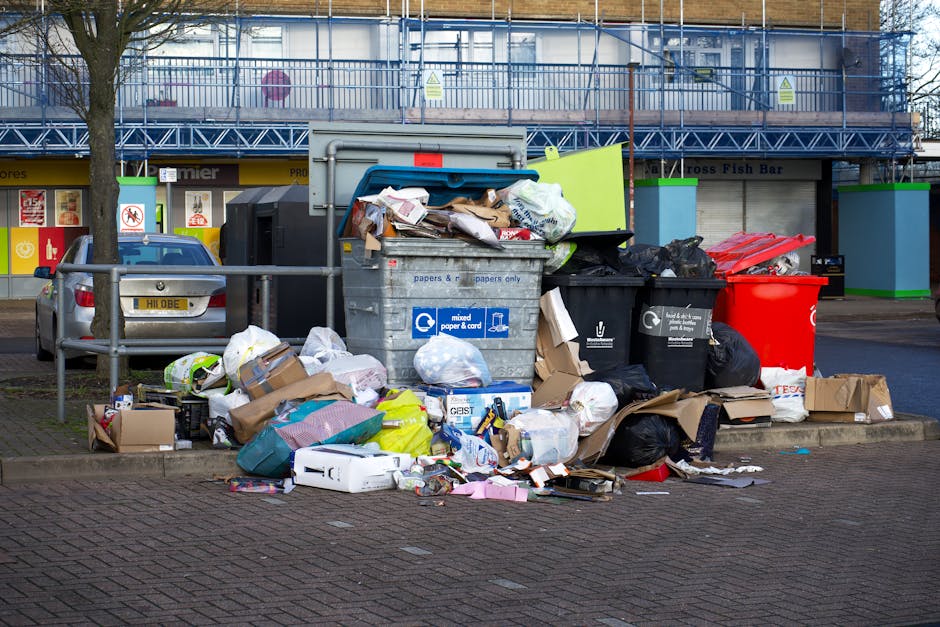
In Ilford, a lot of homes sit close together, whether you're in a terraced street, a flat above shops, or a larger block with shared bin storage. That means one person's rushed waste clearance can become everyone else's issue. A bag left in the wrong place can split. A bin can overflow. Food waste can attract pests. None of this is glamorous, obviously, but it is exactly why sensible waste handling matters.
There's another angle too. If you're doing a deeper clean at home, the waste you remove is usually a sign that the property is being looked after properly. That can matter for inspections, end-of-tenancy handovers, family homes with young children, or anyone preparing for a move. If you're also cleaning carpets, upholstery, or doing a full reset of the property, services like deep cleaning in Ilford and spring cleaning support often sit alongside a proper waste plan rather neatly.
Practical takeaway: the main aim is not just to "get rid of rubbish", but to separate waste correctly, store it safely, and arrange removal in a way that matches local expectations. That's the difference between a smooth clean-up and a headache that drags on for days.
How Redbridge Council rules for cleaning waste from Ilford homes Works
At a straightforward level, the rules are about three things: what type of waste you have, how you store it, and how you get it collected or disposed of. Household waste is usually managed differently from bulky items, garden waste, construction debris, or hazardous items. That sounds obvious, but in practice people mix them together all the time. And that's where trouble starts.
For normal day-to-day rubbish, the expectation is that it is bagged or placed in the correct bins and set out in line with local collection arrangements. If the waste is from a clear-out, a redecorating job, or a post-renovation tidy, you may need extra care. Think old cushions, broken shelving, carpet offcuts, packaging, old cleaning products, and bagged clutter from cupboards. Some of that may be acceptable as general household waste. Some of it won't be.
Here's the key point: waste should be sorted before it leaves the property. That means checking whether something is recyclable, reusable, compostable, bulky, or potentially unsafe. A bag of mixed items is far more likely to create a problem than a tidy set of separated waste. Truth be told, a little sorting at the start saves a lot of grief later.
If you're cleaning a home after a party, a tenancy change, or a heavy family season, your waste may also include stained textiles, broken glass, and food waste. That kind of mixed debris should be handled carefully. For example, after a gathering, the run-up can be noisy and a bit chaotic; if you need ideas for local venues or the wider area context, the site's local guides such as party venue ideas in Ilford and Ilford living advice show how closely home routines and local life often overlap.
Another practical part of the process is timing. Waste often needs to be placed out correctly and at the right time, not just left wherever there is space. If you put bags out too early, they can tear, get wet, or attract birds. Too late, and you miss collection. A very British problem, really.
Key Benefits and Practical Advantages
Following local waste rules is not only about avoiding a warning. It makes the whole clean-up process calmer and more efficient. When waste is handled properly, the home feels cleaner for longer, your bins are easier to manage, and you reduce the chance of odours building up around the property.
- Cleaner shared spaces: better for flats, estates, and terraced streets where bin areas are visible.
- Fewer pest issues: food waste and overflowing bags are what usually cause problems, not the occasional tidy bin.
- Less stress during deep cleans: when waste is planned, the rest of the cleaning feels manageable.
- Better end-of-tenancy outcomes: landlords and agents tend to notice waste left behind very quickly.
- Safer handling: separating sharp objects, broken items, and liquids reduces accidents.
There's also a practical money angle. If you have to redo a clearance because waste was not handled correctly, you're spending more time and probably more money than you needed to. That applies whether you're managing the clean yourself or booking help with a company that offers one-off cleaning in Ilford or broader home cleaning services.
To be fair, the biggest benefit is often peace of mind. Once the waste is sorted and out of the way, the rest of the home suddenly looks better. You can smell the difference too-less stale air, fewer damp corners, fewer mystery bags in the hallway. That sounds small, but it changes how a property feels.
Who This Is For and When It Makes Sense
This guidance is useful for a lot of people in Ilford, not just homeowners. In fact, some of the people who need it most are in shared or time-sensitive living situations.
- Homeowners doing a clear-out, spring reset, or post-renovation tidy.
- Tenants preparing for check-out, especially when waste must be removed before inventory.
- Landlords needing the property left clean and ready between occupants.
- Families managing everyday household waste plus occasional bulk items.
- Flat residents who share bins and need to be considerate of communal rules.
- Older residents or busy professionals who want a simpler, safer clean-up process.
It also makes sense if you're already arranging professional cleaning. For example, if carpets need attention after a spill or a busy household stretch, the waste created during prep can be just as important as the cleaning itself. The same goes for fabrics and soft furnishings; articles like upholstery cleaning in Ilford and carpet cleaning in Ilford are often part of a wider home refresh, not standalone tasks.
When does it make sense to pay closer attention? Usually when waste is bulky, messy, or mixed. Think mattresses, broken furniture, damp materials, garden cuttings after rain, or old items from a loft clear-out. If it feels awkward to lift, smells odd, or could split a bin bag, stop and think before you move it. That pause helps more than people realise.
Step-by-Step Guidance
If you want to follow Redbridge Council rules for cleaning waste from Ilford homes without overcomplicating the job, this is the simplest route.
- Walk the property first. Don't start bagging blindly. Check every room, cupboard, under-bed space, balcony, shed, and hallway.
- Sort the waste into clear groups. General rubbish, recycling, garden waste, bulky items, and anything hazardous should not be thrown together.
- Remove sharp or messy items safely. Broken glass, metal edges, wet waste, and stained fabrics need extra care.
- Use strong bags and sealed containers. Weak bags split at the worst possible time. Usually on the stairs. Naturally.
- Keep storage areas clean and dry. If waste must wait before collection, place it somewhere sensible, not in a walkway or damp corner.
- Check what can go into normal household collection. If in doubt, treat bulky, electrical, chemical, and construction-type waste separately.
- Schedule collection or removal before the pile grows. Leaving it "for tomorrow" is how a tidy pile becomes a small mountain.
- Final sweep. Mop or wipe the area where waste was stored so you're not left with smells, residue, or stains.
A good example: if you're cleaning a spare room, you may have old cardboard, a broken chair, bedding, and dust from behind furniture. Don't just shove everything into one bag. Cardboard can often be handled differently from mixed rubbish, and textiles need separating from damaged items that may have nails or splinters. A little discipline here saves space in the bin and reduces the risk of a mess in transit.
If the clean-up is bigger than expected, it may help to think in phases. Phase one: clear waste. Phase two: deep clean the surfaces. Phase three: finish the soft furnishings and floor coverings. For people who want a structured approach, the site's spring cleaning service and end of tenancy cleaning pages reflect that kind of step-by-step mindset pretty well.
Expert Tips for Better Results
Here's where a bit of experience helps. The difference between a tidy home waste clear-out and a frustrating one is usually in the small details.
- Start with the smelliest waste first. Food waste, damp cloths, and anything organic should be removed quickly.
- Don't overfill bags. Overstuffed bags split under pressure, especially when you drag them across a path or down stairs.
- Double-bag messy items. Think pet waste, wet food packaging, or items with residue.
- Keep a separate box for "not sure yet". That prevents accidental disposal of papers, warranties, or small valuables.
- Label anything unusual. If a bag contains glass or sharp pieces, say so clearly for safety.
- Choose the right cleaning order. Waste out first, then dust, then vacuuming, then spot treatment, then final detailing.
One quiet trick: open a window while sorting waste, even in winter. You don't need a blast of cold air, just enough ventilation to stop a room smelling stale while you work. It sounds basic because it is basic. But it works.
If you're preparing for a deeper domestic refresh, pairing waste removal with domestic cleaning in Ilford or house cleaning support can make the overall result feel far more finished. There's a reason a room can look "mostly clean" but still not feel right. It's often the waste, not the dust.
Common Mistakes to Avoid
Most waste-related problems at home are predictable. That's the good news. The bad news is people keep making the same ones.
- Leaving waste bags in communal walkways. This can block access and create complaints fast.
- Mixing hazardous items with general rubbish. Old cleaning chemicals, broken electrics, or sharp debris should be handled carefully.
- Assuming all bulky items are "just bin waste". Not always true, and it's not worth guessing.
- Ignoring wet waste. Wet cardboard, damp textiles, and food residue can leak, smell, and attract insects.
- Cleaning the surface but forgetting the storage area. A floor can look tidy while still holding grime and odour.
- Waiting until the last minute. This is the classic one. It creates pressure, and then shortcuts happen.
There's also an end-of-tenancy mistake that crops up all the time: tenants clean the visible rooms but leave a cupboard full of mixed rubbish or odds and ends. It's the sort of thing that looks minor until someone opens the door. Then, well, game over for the tidy impression. If that sounds familiar, the end-of-tenancy cleaning page is a good reminder that a proper handover is about the whole property, not just the living room.
And yes, people sometimes put out waste in ordinary bags that are too thin or slightly ripped. You can probably guess what happens next. A smear on the pavement, one burst bag, and a trail of crumbs or loose debris. Not ideal.
Tools, Resources and Recommendations
You do not need a van-load of kit to manage household waste properly. A few sensible tools are enough.
| Tool or item | Why it helps | Best use |
|---|---|---|
| Heavy-duty bin bags | Reduce splitting and leaks | General waste, soft items, mixed clutter |
| Gloves | Protect hands from dirt, sharps, and residue | Sorting waste and carrying bags |
| Sturdy boxes | Useful for books, cables, paperwork, and small items | Dry reusable or recyclable items |
| Cleaning spray and cloths | Removes residue after waste is removed | Bin areas, storage corners, door thresholds |
| Bucket and mop | Helps deal with spills or leaks | Hard floors after waste clearance |
For readers who want a broader service overview, the website's services overview is helpful, especially if you're deciding whether to handle waste and cleaning yourself or book support. If carpets, rugs, or upholstery have picked up dirt during the same clean-up, related articles such as the IG1 carpet cleaning guide, rug cleaning tips, and the upholstery guide for Ilford flats can help you think through the next stage.
There's also a strong practical reason to use the right support if you're short on time. When the waste is already under control, a cleaner can actually clean. Simple as that.
Law, Compliance, Standards, or Best Practice
When you're dealing with waste from a home in Ilford, the safest approach is to follow local household waste expectations and broader UK best practice around safe storage, separation, and disposal. I'm keeping this deliberately cautious, because council arrangements can change and specific collection rules may vary depending on the waste type, property layout, and collection schedule.
In practical terms, compliance usually means:
- placing waste out in the correct containers or bags;
- keeping footpaths, corridors, and shared spaces clear;
- separating recyclables from general rubbish where appropriate;
- not putting out items that need special handling as ordinary waste;
- avoiding any spill, fly-tipping, or unsafe storage.
If waste could be harmful, sharp, chemical, electrical, or excessively bulky, treat it as something that needs a more careful route rather than guessing. That's the main rule, really. Don't improvise with risky items. A quick fix can become a bigger mess than the original problem.
For landlords, managing agents, and anyone responsible for a rented property, the standard is even higher. A clean handover should not leave waste behind in cupboards, sheds, or lofts. It should be visibly complete. If you want a better sense of how service standards are set and handled, pages like health and safety policy, insurance and safety, and terms and conditions help show the sort of care expected from a professional provider.
And just a note of honesty: if you're not sure whether something counts as general waste, bulky waste, or something more specialised, pause and check before you put it out. That tiny delay is often the difference between a clean result and a avoidable problem. Yes, that's a slightly boring rule. It still matters.
Options, Methods, or Comparison Table
There is more than one way to handle waste from an Ilford home. The right option depends on how much waste you have, what kind it is, and how quickly you need the property clean again.
| Method | Best for | Pros | Watch out for |
|---|---|---|---|
| Regular household bin collection | Small, routine waste | Simple and familiar | Not suitable for bulky or awkward items |
| Careful self-sorting and staged disposal | Deep cleans and room-by-room clear-outs | Cheap, flexible, tidy | Takes more time and planning |
| Professional cleaning plus waste prep | Busy households, end-of-tenancy jobs, larger refreshes | Efficient and less stressful | Needs good scheduling |
| Special handling for bulky or awkward waste | Furniture, carpets, mixed heavy items | Safer and more appropriate | Requires checking the correct route first |
If you are unsure which route suits your situation, think about two things: the size of the job and the condition of the waste. A few bin bags from a spare room are one thing. A full clear-out after decorating is another. The second one usually needs more structure, and maybe a bit of help.
For people comparing service options, this is where pages like pricing and quotes and one-off cleaning are useful alongside the practical guidance in this article. Not because every waste job needs a cleaner, but because cleaning and waste control often go hand in hand.
Case Study or Real-World Example
Here's a realistic example based on a very common Ilford situation. A family in a first-floor flat in IG1 has had a long-overdue clear-out before visitors arrive. The hallway has a few old boxes, a broken small chair, two bags of mixed rubbish, some bedding, and a carpet that's picked up dust near the skirting boards. Nothing dramatic. Just enough clutter to make the place feel heavier than it should.
If they start by bagging everything together, the result is likely to be awkward: heavy bags, mixed materials, and a greater chance of a split bag on the stairs. Instead, they sort into separate groups, keep the broken chair aside for the right collection route, bag the soft waste securely, and remove anything damp first. Once the waste is out, they vacuum, wipe surfaces, and deal with the carpet edge where dust settled. That sequence matters more than people think.
By the end of the day, the flat feels lighter. Not just cleaner-lighter. The air smells better, the hallway is usable again, and the family isn't stepping around random bags every ten minutes. Small thing? Maybe. But that's often what makes a home feel properly looked after.
If the clear-out had been larger, they might have combined waste sorting with a more structured clean, similar to the kind of preparation people do before booking house cleaning or office cleaning for a more demanding property reset. Different setting, same logic: sort first, clean second, finish carefully.
Practical Checklist
Use this checklist before you put waste out or finish a home clean-up.
- Have I separated general waste from recyclable items?
- Have I removed sharp, wet, or messy items safely?
- Are the bags strong enough to carry without splitting?
- Have I kept all waste out of walkways and shared access areas?
- Do any items need special handling instead of ordinary bin disposal?
- Have I cleaned the bin area, floor, or storage space after removal?
- Is anything still damp, leaking, or likely to smell by morning?
- Have I planned the next collection or removal date, if needed?
- Does the property look fully clear, not just "mostly done"?
- Am I leaving the place safer and tidier than I found it?
If the answer to most of those is yes, you're in good shape.
Get a free quote today and see how much you can save.
Conclusion
Redbridge Council rules for cleaning waste from Ilford homes are not really about making life harder. They exist to keep homes, streets, and shared spaces cleaner, safer, and easier to live with. Once you understand the basic rhythm-sort waste properly, store it safely, use the correct disposal route, and finish the area well-the whole thing becomes much less stressful.
For a lot of Ilford residents, the main challenge is not the cleaning itself. It's the clutter before the cleaning. The bags, boxes, offcuts, and odd bits that build up quietly in the background. Deal with those sensibly and everything else becomes smoother. A bit more breathing room, a bit less mess, and a home that feels easier to live in. That's worth the effort, honestly.
And if your home needs more than a quick tidy, it may be the right moment to combine waste removal with a deeper, more structured clean. That way the result lasts, rather than just looking good for an afternoon.