Ilford council fines for improper carpet and upholstery disposal: what residents and landlords need to know
If you are replacing a tired carpet, getting rid of a stained sofa, or clearing a flat after a tenancy, the disposal part can feel oddly easy to leave for "later". That is exactly where problems start. Ilford council fines for improper carpet and upholstery disposal are not something most people think about until they are staring at a hallway full of rolled carpet, broken chair frames, or a van parked by the kerb with someone saying "I'll take it away cheap".
The real issue is simple: bulky waste still has to be handled properly. In Ilford, as in the wider Redbridge area, the wrong disposal method can create nuisance, attract enforcement action, and leave you paying more than you expected. This guide explains what improper disposal means, how fines usually happen, what to do instead, and how to stay on the safe side without making the process a drama. Truth be told, it is not hard once you know the rules.
Why Ilford council fines for improper carpet and upholstery disposal matters
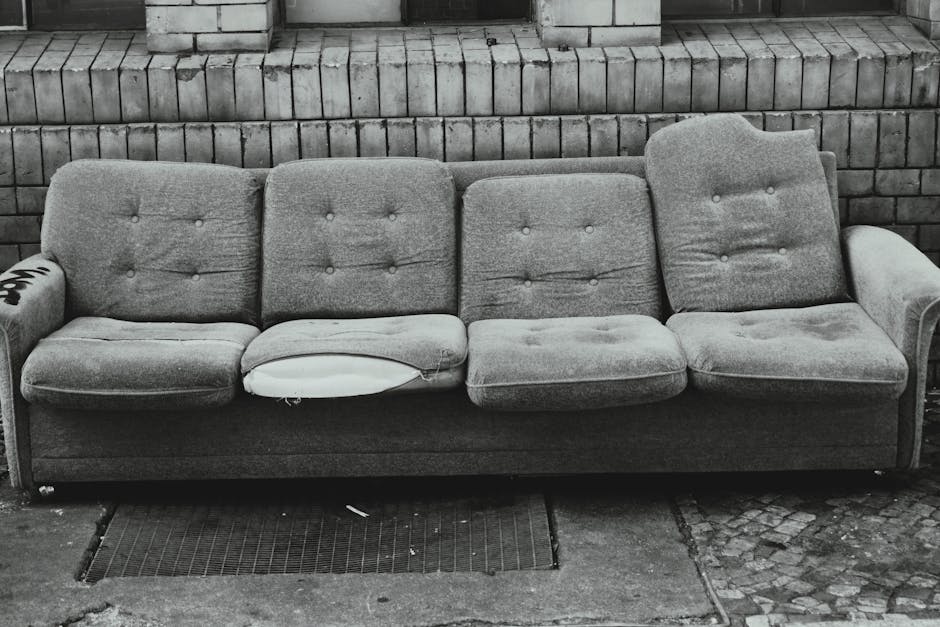
Carpet and upholstery waste looks harmless compared with bags of building rubble or a fridge left in an alley. But councils do not view it that way. A rolled carpet dumped beside a bin store can block access, soak up rain, and quickly turn into fly-tipping if nobody claims it. A sofa left outside "for one night" can become an ongoing mess, especially on shared streets where everyone assumes somebody else will sort it.
There is also the practical side. Improper disposal can create complaints from neighbours, estate managers, landlords, or letting agents. If you are moving out of a flat in IG1, for example, a bulky item left behind can complicate your check-out and delay deposit return. If you manage rental property, it can make the whole handover feel a bit chaotic. Nobody enjoys that at 8 a.m. on a damp Monday.
In our experience, most disposal problems do not begin with bad intentions. They begin with assumptions:
- "It will be collected if I leave it by the bins."
- "The cleaner can take it away."
- "Someone on social media said a man with a van is fine."
- "It is just old carpet, so it cannot matter much."
Unfortunately, those assumptions can lead to unwanted costs. Even when an issue does not end in a formal fine, there may still be removal charges, landlord deductions, or time spent clearing up the mistake. That is why this topic matters to householders, landlords, tenants, shop owners, and anyone handling a move, refurb, or deep clean.
If you are already planning broader property cleaning, it can help to look at related support such as deep cleaning in Ilford or end of tenancy cleaning in Ilford, because disposal and cleaning often happen together.
How Ilford council fines for improper carpet and upholstery disposal works
There is no single universal number that applies to every situation, so let us keep this grounded. In practice, council fines are usually linked to breaches such as fly-tipping, obstruction, failure to present waste correctly, or leaving bulky waste in a place or manner that is not permitted. Carpet rolls, rug offcuts, padded headboards, armchairs, sofas, and similar items can all fall into that bucket if they are abandoned or set out incorrectly.
The process often works in stages:
- Waste is noticed by a resident, patrol, enforcement officer, landlord, or CCTV review.
- The item is assessed to decide whether it is domestic bulky waste, commercial waste, or illegally dumped material.
- Enquiries are made to identify who left it there or who appears responsible.
- An enforcement action may follow if there is enough evidence.
That evidence can come from labels, address details, tenancy paperwork, van sightings, witness reports, or patterns of disposal. Sometimes people think "it is just one carpet" and therefore invisible. Not really. One item can still be enough to trigger action if it is clearly dumped.
The word "improper" is important. A carpet left in the wrong place is not automatically illegal in every circumstance. For example, a scheduled bulky waste collection, an authorised transfer point, or a correctly arranged private removal is a different matter entirely. The problem is when the item is not transferred through a proper route. That is the line you do not want to cross.
If you are replacing carpets before a clean or move, it can help to combine disposal planning with a proper cleaning plan. Pages like carpet cleaning in Ilford and upholstery cleaning in Ilford are useful if your items are salvageable rather than ready for the skip.
What counts as improper disposal?
Common examples include:
- Leaving carpet rolls by communal bins without permission
- Dumping a sofa, armchair, or dining chair on the pavement
- Putting bulky items out before an arranged collection window
- Handing waste to an unlicensed or unreliable carrier
- Breaking items into pieces and abandoning them in several places
That last one happens more often than people admit. It is not clever, and it tends to make enforcement easier rather than harder.
What usually makes a fine more likely?
Things that raise the risk include repeated complaints, items left near school routes or alleyways, evidence that the waste came from a specific property, and a clear link to a move-out or refurbishment. If the waste looks fresh and nobody has arranged collection, it tends to attract attention quickly. On a wet afternoon, a damp carpet on a pavement is hard to miss anyway.
Key benefits and practical advantages
Following the proper disposal route is not only about avoiding trouble. It also makes life easier, and that matters more than people think.
| Approach | Main upside | Typical downside if ignored |
|---|---|---|
| Book proper bulky waste removal | Clear responsibility, less risk, cleaner site | May cost more than "quick fix" options, but is safer |
| Reuse or donate usable items | Reduces waste and can help someone else | Only suitable if items are clean and fit for use |
| Arrange professional disposal with cleaning | One coordinated plan for carpets, sofas, and rooms | Requires a little planning upfront |
| Dumping or leaving items out | None, really | Risk of fines, complaints, and extra hassle |
That table may sound blunt, but it reflects reality. The lawful route usually saves time in the long run because you are not dealing with follow-up calls, neighbour complaints, or surprise charges. For landlords, it can also protect turnaround times between tenancies. For tenants, it can reduce the chance of deposit disputes. For homeowners, it means one less thing to worry about while everything else is already busy enough.
There is another benefit people forget: safety. Old sofas, torn carpets, and broken staples can be awkward to handle. One quick lift and you have a scrape, a pulled back, or a mess in the stairwell. If you are also managing a spring clean, take a look at spring cleaning in Ilford and one-off cleaning in Ilford for a more organised approach.
Who this is for and when it makes sense
This topic matters to more people than you might expect. It is not just for people who are literally standing over a pile of old carpet in the front garden. You may need this guidance if you are:
- a tenant leaving a rental property
- a landlord preparing for a new occupant
- a homeowner replacing worn flooring
- a letting agent coordinating an end-of-tenancy handover
- a business owner clearing upholstered seating from an office, waiting room, or small shop
- a property investor planning refurbishment work
If you are in the middle of a move, it can be easy to focus on the visible things first: keys, boxes, meter readings, maybe a final wipe of the skirting boards. Disposal is quieter, less dramatic, so it gets pushed to the back. But that is often where avoidable costs appear. A rolled carpet sitting in the wrong place can be the last thing left behind, and the thing that causes the most annoyance. Funny how that works, isn't it?
For local homeowners and landlords, articles like Redbridge council rules for cleaning waste from Ilford homes and avoiding hidden carpet cleaning charges in Ilford can help you think about the wider clean-up picture, not just the item disposal itself.
Step-by-step guidance
If you want to avoid fines and keep the process simple, follow a proper sequence. It does not need to be complicated.
- Identify what you are throwing away. Separate carpet, underlay, cushions, wooden frames, and general rubbish. Mixed waste is harder to manage and often more expensive to deal with.
- Check whether the item is reusable. A sofa with a small stain may just need professional cleaning, not disposal. Same goes for rugs and some upholstered chairs.
- Decide if bulky waste collection is suitable. For one or two items, this is often the cleanest route. For larger clear-outs, you may need a bigger removal plan.
- Keep waste on your property until collection. Do not place it on the pavement or beside shared bins early. That is where misunderstandings start.
- Use a legitimate, traceable removal method. If a third-party carrier is involved, make sure the disposal route is clear and above board.
- Get a receipt or record. A simple record of collection can be useful if a dispute comes up later.
- Finish with a quick clean. Remove dust, staples, and fibres left behind by the carpet or furniture. It makes the property look cared for, which is always a plus.
In real life, this is often the best sequence: first decide whether the item can be cleaned, then decide whether it should be disposed of, and only then arrange the removal. It sounds basic, but people skip the middle step all the time.
If you are dealing with both waste and dirty interiors, house cleaning in Ilford or domestic cleaning in Ilford may be part of a better end-to-end fix.
Expert tips for better results
Here are the small things that make a surprisingly big difference.
- Photograph the items before removal. Useful for landlords, tenants, and anyone who may need to prove condition or disposal.
- Roll carpets tightly and secure them. That keeps fibres down and makes handling safer.
- Keep upholstery dry where possible. Wet fabric is heavier, smellier, and more awkward to manage.
- Separate contaminants. If a sofa has metal springs, broken glass, or food residue, say so up front.
- Plan timing around access. Shared entrances and parking can make a simple job awkward if nobody is ready.
One of the best practical habits is to pair waste removal with cleaning and inspection on the same day. If you are already dealing with carpets, rugs, or a sofa in poor condition, a coordinated plan often saves money and stress. Services like services overview and pricing and quotes can help you compare what is sensible before you book anything.
A small human tip from experience: always check the back of cushions and under sofa skirts. That is where the odd crumb, coin, or pet hair clump hides. Not glamorous, but very real.
Common mistakes to avoid
Most problems come from a short list of avoidable errors.
- Leaving bulky waste out too early. Even if you think collection is due "soon", early placement can still be treated as improper.
- Assuming someone else will handle it. Unless you have confirmed the arrangement, do not rely on hope. Hope is not a disposal method.
- Using an unverified carrier. Cheap removal can become expensive if waste is dumped elsewhere and traced back.
- Mixing general rubbish with furniture waste. That can create extra sorting problems and more charges.
- Ignoring cleaning first. A sofa or rug may still be worth saving, especially in a furnished let or family home.
- Forgetting access issues. Parking, lift use, and stairwell width all matter in flats and converted buildings.
There is also a quieter mistake: not checking whether items belong to the tenancy or the building. In shared housing, one person may think a chair is theirs while another says it came with the flat. Awkward conversations happen fast. Best to sort that before removal day.
Tools, resources and recommendations
You do not need a huge toolkit, but a few basics make the job smoother:
- Heavy-duty bin bags for small associated waste
- Protective gloves for handling staples, wood, and worn fabric
- Strong tape or twine to secure rolled carpet
- Dust sheet or old blanket for carrying items through hallways
- Marker pen to label what is being kept, donated, or removed
For service planning, the most useful local pages are often the ones that explain the whole process rather than one narrow job. If your carpets are still recoverable, start with carpet cleaning in Ilford. If the soft furnishings are the main problem, upholstery cleaning in Ilford is the logical next stop. If you need a broader refresh after the waste is gone, deep cleaning in Ilford is often the cleaner finish.
For more local reading, the site's blog section is also useful, especially if you want practical advice that fits real Ilford homes rather than generic internet advice. A few relevant reads include the IG1 carpet cleaning guide, rug cleaning tips for shops and estates, and upholstery cleaning advice for Ilford flats.
Law, compliance, standards, or best practice
It is wise to be careful here. Local enforcement can vary, and exact procedures or penalty levels can change. Still, the best-practice principles are steady: do not abandon waste, do not obstruct public land, and do not hand items to anyone who cannot show a proper removal route. That is the broad rule set you should work from.
For householders, the cleanest approach is to keep disposal tied to a legitimate, documented route. For landlords and agents, the expectation is even higher, because you are managing someone else's living space and often a tight turnaround. Best practice usually means:
- checking what counts as household bulky waste versus commercial waste
- keeping evidence of collection or handover
- avoiding pavement storage before collection
- using cleaning, repair, or reuse before disposal where sensible
There is also a general duty to avoid creating a nuisance or leaving waste in a condition that could attract pests, cause slipping, or become a fire risk. Old foam, fabric, and underlay can make a corridor feel cluttered very quickly. On a busy street or in a block of flats, that is more than a cosmetic issue.
If you are managing the wider property side, the pages end of tenancy cleaning in Ilford and office cleaning in Ilford are helpful context, because disposal problems do not always happen in homes only.
Options, methods, or comparison table
Different disposal methods suit different situations. There is no single perfect answer, but there is usually a sensible one.
| Method | Best for | Pros | Watch-outs |
|---|---|---|---|
| Keep and clean | Carpets or upholstery that are dirty but usable | Cheaper than replacement, reduces waste | Not suitable for severe wear or damage |
| Donate or reuse | Clean, structurally sound furniture | Good environmental outcome | Needs acceptable hygiene and transport |
| Bulky waste collection | One-off household clear-outs | Simple and traceable | Needs correct booking and timing |
| Private removal service | Larger or urgent removals | Convenient, often fast | Must be reputable and properly managed |
| Dumping or leaving out | Nothing sensible | None | Risk of fines, complaints, and clean-up costs |
For many Ilford homes, the choice comes down to this: if the item can be cleaned, clean it; if it cannot, remove it properly; if it has value, reuse it. That is usually the most cost-effective path. Not fancy. Just sensible.
Case study or real-world example
Picture a small flat near a busy road in Ilford. The tenant is moving out on a Friday, the carpet in the living room is badly marked, and the armchair in the corner has seen better days. There is pressure to hand back the keys quickly, and someone suggests leaving the items near the communal bins because "they will be gone by morning".
Instead, the tenant and landlord take a more careful route. First, they check whether the carpet can be cleaned or should be removed. The sofa and chair are assessed for condition. The items that are still usable are set aside for cleaning, while the damaged pieces are booked for proper removal. Waste stays inside the property until collection. The hallway remains clear. There is no awkward complaint from a neighbour, no note from the estate manager, and no last-minute scramble to explain what happened.
That is the kind of outcome people want. Quiet, tidy, uneventful. Sometimes the best result is simply that nothing goes wrong.
In a slightly different scenario, a householder replacing flooring also books a clean for the rooms that will stay in use. That keeps the transition smooth and avoids the stale, dusty feel that often lingers after carpet work. If this is your kind of project, a look at spring cleaning in Ilford or one-off cleaning in Ilford can help you plan the bigger reset.
Practical checklist
Use this before you move any carpet or upholstered item out of the property.
- Have I confirmed whether the item is rubbish, reusable, or cleanable?
- Is the waste staying on private property until collection?
- Do I know who is collecting it and when?
- Have I avoided putting it near bins, pavements, or shared entrances too early?
- Are carpet rolls secured and safe to lift?
- Have I separated fabric, wood, foam, and general waste?
- Do I have a record or receipt for the disposal?
- Have I checked the tenancy, landlord, or building rules if relevant?
- Do I need cleaning as part of the same job?
- Is there anything valuable worth donating instead of throwing away?
Quick takeaway: if the answer to any of those points is uncertain, pause and sort the plan before moving the item. That small pause can save a lot of bother later.
Conclusion
Ilford council fines for improper carpet and upholstery disposal are really about something broader than punishment. They are about keeping streets clear, shared spaces usable, and disposal traceable. Once you understand that, the whole thing becomes much less mysterious. Keep bulky items on your property until collection, use a proper disposal route, and clean or reuse where you can. Simple enough, though it does need a bit of care.
If you are managing a move, a tenancy handover, or a home refresh, the safest path is usually the calmest one. Plan the cleaning, arrange the removal properly, and avoid the last-minute "just leave it there" decision. That one decision causes more unnecessary stress than it should. The good news? It is very avoidable.
Get a free quote today and see how much you can save.
And if you are still weighing things up, remember this: a tidy disposal job feels boring in the best possible way, and boring is often exactly what you want.
Frequently Asked Questions
What counts as improper carpet and upholstery disposal in Ilford?
It usually means leaving carpets, sofas, chairs, or similar items in a place or manner that is not allowed, such as on the pavement, beside bins, or through an unlicensed removal route.
Can I leave an old carpet outside my home before collection day?
Usually not unless the collection has been specifically arranged and you are following the correct timing. Leaving it out early can still be treated as improper disposal.
Will the council fine me if a private remover dumps my furniture?
It can happen if the waste is traced back to you or your property. That is why it is important to use a reputable, traceable service and keep records.
Is it better to clean a sofa rather than throw it away?
If the frame and fabric are still in good shape, cleaning may be the smarter option. It is often cheaper than replacement and avoids unnecessary waste.
Do landlords or tenants get fined for bulky waste left after a move?
Either party may face issues depending on responsibility, tenancy terms, and who arranged the disposal. The important thing is to confirm who owns the item and who is responsible for removal.
What is the safest way to dispose of a carpet roll?
Roll it tightly, secure it, keep it on private property until collection, and use a proper bulky waste or removal route. Do not leave it by shared bins or on the street.
Are upholstery items treated differently from carpets?
Not really in principle. Sofas, armchairs, cushions, and similar items are still bulky waste and need proper handling. The exact disposal route may vary by size and condition.
Can I donate a used sofa or chair instead of disposing of it?
Yes, if it is clean, safe, and suitable for reuse. If it is damaged, damp, infested, or badly worn, disposal is usually the better option.
How can I avoid accidental fly-tipping when clearing a property?
Keep items on your premises until collection, use a trustworthy remover, and keep a photo or receipt. Those small steps make a big difference.
What should I do if my carpets are dirty but not beyond saving?
Start with professional cleaning before deciding on disposal. A deep clean can extend the life of the carpet and save money, especially in rented homes or family properties.
Does improper disposal matter for commercial premises too?
Yes. Offices, shops, and waiting rooms still have to handle waste properly. Upholstered furniture and flooring materials from business premises should not be abandoned or left out carelessly.
Where can I find more local help about carpet and waste-related issues?
The most relevant starting points on this site are the Ilford carpet cleaning pages, upholstery cleaning pages, and the blog articles on waste and cleaning rules in Redbridge and Ilford. They give a practical local perspective without overcomplicating things.